Viasat F2 Enters Service as SpaceX Protests FCC Access: What Shoppers Should Know
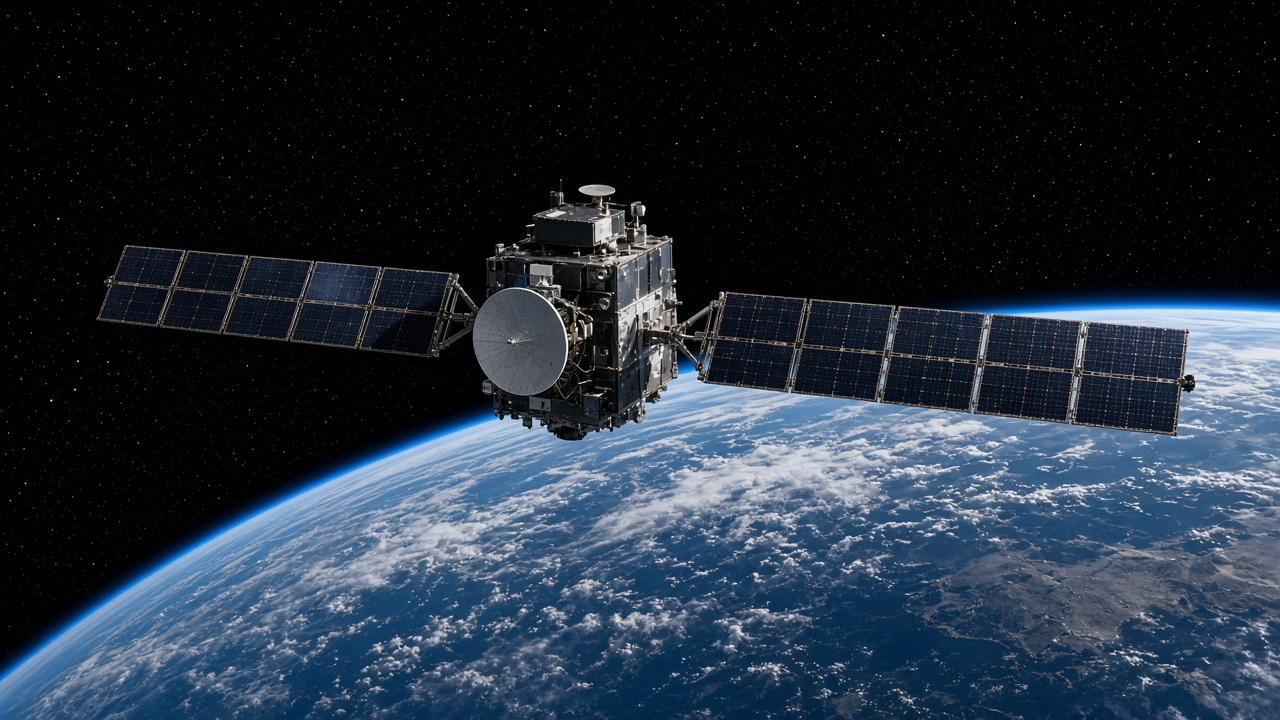
As of mid-to-late September 2026, Viasat says its ViaSat-3 Flight 2 (F2 / VS3 F2) satellite has entered service across the Americas, adding capacity the company expects to translate into faster residential broadband “soon.” At the same time, SpaceX is pressing the FCC to block or rein in F2’s U.S. market access, citing Starlink interference risk in shared Ka-band frequencies.
For households comparing Viasat and Starlink, that means two stories at once: a capacity upgrade that could improve Viasat’s congested GEO experience, and a regulatory fight that could still shape how — and whether — F2 uses certain U.S. frequency bands.
What Viasat announced
PCMag’s September 21, 2026 report quotes Viasat saying F2 has entered service across the Americas, expanding network capacity, flexibility, and resilience. The satellite is designed for download speeds of 100 Mbps or higher from a single geostationary spacecraft (~22,242 miles up). Aviation customers (including commercial jet connectivity) are also expected to see a boost.
On residential timing, Viasat told PCMag it will “soon deliver enhanced broadband performance for residential customers across the United States” through F2 capacity, with a better customer experience and reach into more markets — but no specific residential launch date was given in that interview.
Compare Viasat and Starlink at your address
GEO vs LEO still feels different day to day. Check what is available at your ZIP before you switch or renew.
Why SpaceX is protesting
SpaceX petitioned the FCC to keep F2 from serving the U.S. market, arguing that Viasat wants to use shared bands Starlink already relies on:
- 18.8–19.3 GHz (downlink-side shared Ka)
- 28.6–29.1 GHz (uplink-side shared Ka)
SpaceX’s satellite-policy VP, David Goldman, told the FCC that Viasat has not shown it can prevent harmful interference to NGSO (non-geostationary) users, and urged the commission to reconsider access — or at least enforce license conditions and stop what SpaceX calls unauthorized operations.
Under F2’s FCC license framing described in coverage, Viasat is supposed to coordinate with potentially impacted LEO systems before using those shared bands for U.S. service. SpaceX says that coordination still has not happened.
Viasat’s response
Viasat declined to comment to PCMag on the frequency-band dispute beyond pointing to an FCC filing that asks the commission to dismiss SpaceX’s protests as “unsubstantiated” interference claims, while not disputing the public-interest value of F2. Coverage also notes the license language: shared-band U.S. use only after coordination — which may mean F2 can still operate using other frequencies even while the shared-band dispute continues.
What shoppers should expect right now
Even with F2 in service, physics and plan cards still matter:
- Latency stays GEO-class — PCMag cites ~696 ms on a current Viasat plan sample vs Starlink’s ~20–30 ms. F2 capacity helps congestion and peak Mbps more than Zoom feel.
- “Soon” is not a date — treat residential 100+ Mbps messaging as upcoming until your address checkout shows it.
- Today’s published prices still matter for renewals — PCMag notes a ~$99/mo unlimited-style plan often seeing ~42 Mbps in their sample, a $69.99/mo plan with 150 GB high-speed data and a 12-month term, and Starlink residential around $55/mo for ~100 Mbps-class service. Confirm live rates for your ZIP.
- Regulatory risk is real but not a reason to panic-cancel overnight — watch FCC outcomes if you need shared-band performance claims; service can continue on coordinated / other authorized frequencies.
How this fits RSINC’s earlier F2 coverage
If you already read our Internet on Your Terms / VS3 F2 residential messaging guide, treat this page as the regulatory-and-service-entry update: F2 is online for the Americas, residential improvements are promised soon, and SpaceX is contesting shared-band U.S. use at the FCC.
Want a second opinion before you switch?
Soft guidance only — compare satellite, 5G home, cable, and fiber at your address, then confirm plan terms with the provider.
Bottom line
Viasat’s F2 satellite is in service over the Americas and is positioned to unlock faster residential GEO broadband soon — while SpaceX asks the FCC to block or constrain shared-band U.S. operations over Starlink interference fears. Capacity news is good for Viasat shoppers; latency and post-promo pricing still decide whether Starlink or terrestrial options win at your house. Re-check availability and FCC developments before you lock a long term.
Source reporting: PCMag — Viasat Readies Faster Service, Despite SpaceX’s Protest of Its F2 Satellite (Sept 21, 2026).
Company announcement: Viasat’s ViaSat-3 F2 service announcement (Sept. 17, 2026).